Wondering what to pack for a multi-day hiking holiday in New Zealand? Our guides share the essential gear list, packing tips, and what to leave at home.
What to Pack for a Multi-Day Hiking Holiday in New Zealand
If you are staring at an empty pack a few weeks out from your multi-day hiking holiday and wondering exactly what to pack, you are in good company. It is one of the questions our team hear regularly, right up there with “how many pairs of socks do I actually need?” (three, and yes, they will get wet). After years of walking New Zealand's Great Walks and backcountry trails alongside hikers of every experience level, our guides have a clear picture of what earns its place in a pack and what often ends up unused.
This packing list reflects what our hikers need on a Kiwi-Style Hiking trip. Below, you will find the essentials, the items our guides gently insist on, what most guests bring but never touch, and what to add to the list if you are heading out on your own rather than with a guide.
The Essential Multi-Day Hiking Gear List
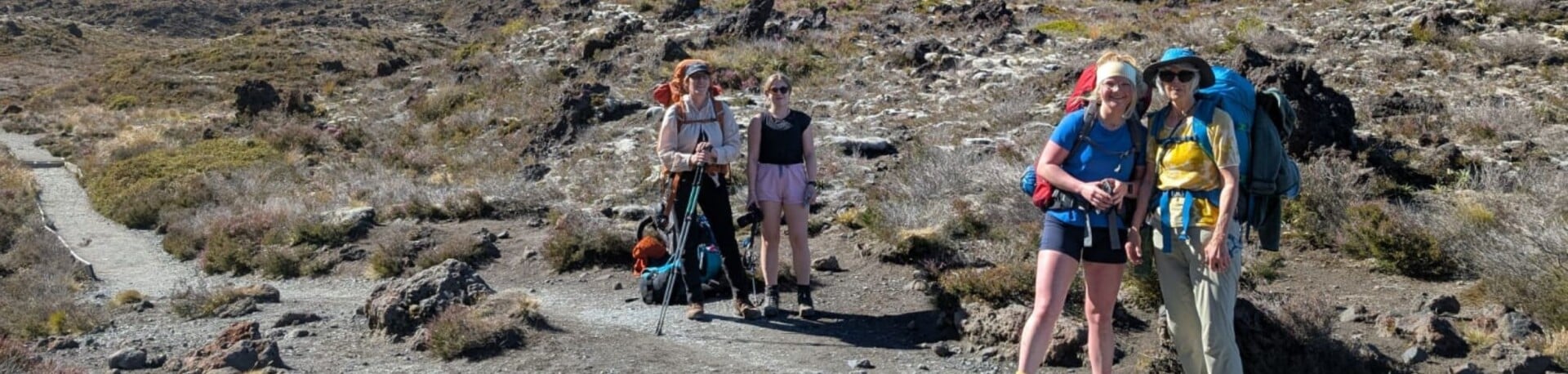
Every multi-day hiking trip starts with the same foundations: comfortable, well broken-in footwear, a pack that fits properly, and clothing that keeps you warm and dry when the weather turns, which in New Zealand it inevitably will, at some point, even in summer.
Footwear and Your Pack
Good hiking boots or a sturdy pair of hiking shoes matter more than almost anything else on this list, so make sure yours are already worn in before you arrive. Pair them with a backpack of around 50 litres, which is enough for a guided multi-day hike since your evenings are often spent in huts or lodges rather than carrying full camping gear. A simple backpack liner, a heavy-duty plastic bag lining the inside of your pack, keeps everything dry and costs next to nothing. Pack covers work well too, if they fit properly.
Staying Warm and Dry
New Zealand's weather in the mountains can shift from sunshine to sideways rain within the hour, so this part of the list is not optional. Bring a lightweight, compact sleeping bag, ideally down-filled, weighing around one to one and a half kilograms with a comfort rating to five degrees Celsius. A genuinely waterproof raincoat is essential, along with two warm mid-layers of fleece or merino wool; both keep working when they are damp, while cotton does not. Merino is a favourite among the guides: it is soft against the skin, does not hold onto odour the way some synthetics do, regulates temperature well, and is a truly sustainable fibre. New Zealand produces some of the world's best merino, so it is easy to find good gear locally. Round this out with merino or thermal underwear, top and bottom, for when things turn chilly.
Clothing for the Trail
For hiking itself, quick-dry shorts and two short-sleeved shirts in a quick-dry synthetic or fine merino fabric will see you through most days. Three pairs of good quality hiking socks is the number our guides recommend, since you will often have one wet pair at any given time, leaving you with dry ones for the evening. Add a warm hat, gloves or mittens for when the weather turns, and a spare pair of lightweight shoes or sandals to change into once the boots come off. Pack some casual clothing for travelling and evenings at the lodge or hut, along with your togs (swimming costume) and a lightweight travel towel if your trip includes any lake or river swimming. UPF tops are also increasingly popular among our guides and guests alike. If you are unfamiliar, these are a long-sleeved, hooded layer that offers excellent sun protection against New Zealand's strong UV and doubles as another useful layer.
And Don't Forget...
Sunscreen and sunglasses, a one-litre drink bottle, and a head torch or flashlight round out the practical basics. Don't forget insect repellent, either. New Zealand's sandflies love a bit of foreign blood. Add a small daypack for shorter side trips, your personal toiletries, medication, some basic first aid supplies, and a power bank to keep your devices charged.
Be Careful Not to Overpack These
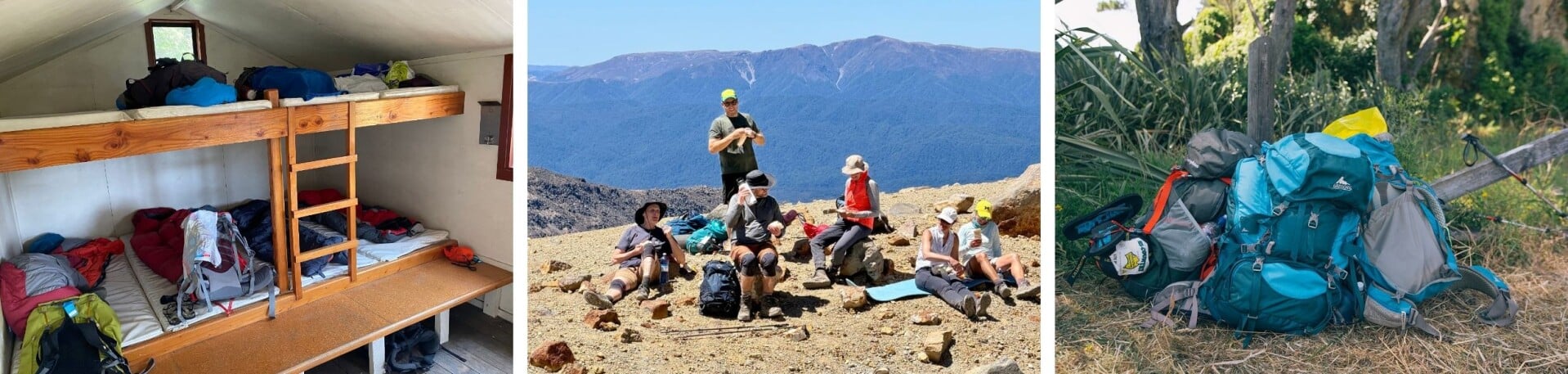
Our guides notice the same patterns trip after trip. Cotton clothing is the biggest offender: cotton t-shirts and hoodies are heavy, slow to dry, and cold when they are wet, yet they are also the easiest things to throw in a bag out of habit. Another pattern is too many changes of clothes, or a full “smart casual” outfit for every evening. It helps to think of your clothing in two simple categories: a set of trail clothes for hiking, and a set of good clothes for the evening, rather than packing a fresh outfit for each day. New Zealand has a very relaxed dress code; turning up to a restaurant in shorts and a t-shirt is totally fine. Large containers and bottles of toiletries or cosmetics take up valuable space and weigh a lot, so downsize where you can. The honest advice from most guides is to pack light and enjoy the freedom it brings.
What Guides Insist You Never Leave Behind
If a guide checks your pack before departure, a few items get asked about every time. A truly waterproof raincoat tops the list, regardless of what the forecast says the morning you set off, along with sunscreen. There's an old saying among our guides: “Any idiot can take a raincoat on a wet day.” It sounds a bit blunt, but it's true, the real test is having one with you when the sky looks perfectly clear. A dry set of clothes and socks for the evening is non-negotiable, since arriving at a hut in wet gear with nothing dry to change into makes for a miserable night. Warm layers matter even in summer, especially once you're above the bush line, where the difference between day and night temperatures can be considerable.
Optional Extras Worth Considering
These handful of items are not essential but earn their place in some packs. Gaiters are useful on wet, muddy or scrubby sections of track, and a single walking pole or a pair takes real pressure off your knees on long descents and helps with balance on rough sections. Binoculars reward anyone keen on birdlife, particularly on trips through native forest, and earplugs are worth packing if you are a light sleeper heading into shared hut bunkrooms.
Print Friendly Packing List for a Kiwi-Style Trip
Essential Items:
- hiking boots or good hiking shoes
- backpack (50 litres is adequate)
- backpack liner (plastic bag)
- lightweight, compact sleeping bag (1–1.5 kg, 5°C (41°F) comfort, down preferred)
- waterproof raincoat
- warm fleece/wool/merino mid layer x2 (not cotton)
- shorts for hiking (preferably quick-dry)
- short-sleeved shirt x2 (quick-dry synthetic, or merino)
- thermal underwear – top & bottom (merino or synthetic)
- 3 pairs of good quality hiking socks (they get wet)
- warm hat
- sunscreen and sunglasses
- drink bottle (1 litre)
- spare lightweight shoes or sandals
- flashlight/head lamp
- insect repellent (sandflies like foreign blood)
- casual clothing for travel and evening
- gloves/mittens
- small daypack
- togs (swimming costume)
- towel (lightweight towels are great)
- personal toiletries, medication and first aid
Optional items:
Gaiters, binoculars, earplugs, walking poles, and a power bank.
We supply:
Therm-a-Rest sleeping mat, tents, cooking equipment, plates/cutlery, first aid kit, safety equipment and maps.
Guided Hiking vs. Independent Tramping: What Changes on Your Packing List
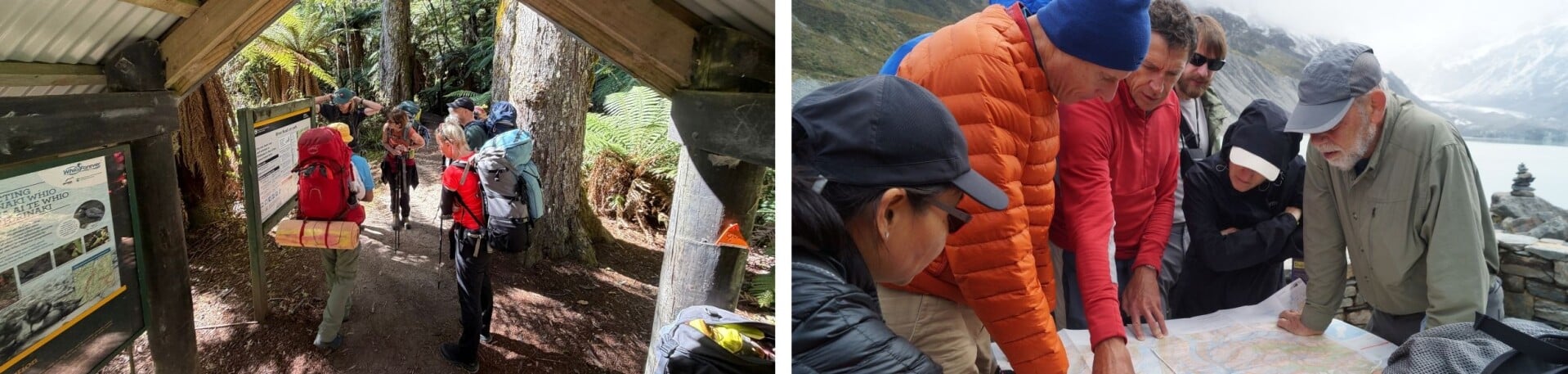
The list above covers what you need for a Kiwi-style guided multi-day hike, where your guide manages the logistics, safety equipment, and often the meals as well. If you are planning to walk independently, your packing list grows considerably, because you are now responsible for everything your guide would otherwise carry or arrange on your behalf.
Extra Gear for Independent Trampers
Walking unguided means adding a tent and sleeping mat if you are camping rather than staying in pre-booked huts, plus a gas cooker, fuel, and cooking and eating utensils. You will also need a map and compass or GPS, a personal locator beacon, a basic survival kit, and enough food for the entire trip with a spare day's supply built in. For a full breakdown, DOC's multi-day tramp gear list is a thorough independent reference worth checking against your own list before you set off.
How to Choose the Right Gear for Your Trip
The safest approach is to treat this list as a strong starting point rather than the final word, since the right gear always depends on the specific trip, the season, and the terrain. An alpine crossing calls for warmer layers and sturdier footwear than a coastal walk in high summer. Our guided Kiwi-Style Hiking trips each come with a trip-specific kit list once you book, so you can pack with real confidence rather than guessing from a generic gear guide.
Frequently Asked Questions
How much should my pack weigh for a multi-day hike in New Zealand?
On a guided Kiwi-style trip, most hikers comfortably manage with a pack in the region of ten kilograms. Independent trampers typically carry considerably more, often 12 to 15 kilograms or more, once camping gear, food, and cooking equipment are added.
What shoes should I wear in the evenings at huts or lodges?
A spare pair of lightweight shoes or sandals is ideal. Your boots need time to dry out overnight, and most hikers are glad to give their feet a break once the walking is done for the day.
Do I need to buy all new gear before my trip?
Not necessarily. Good boots and a reliable raincoat are worth investing in, but items such as walking poles or a sleeping bag can often be borrowed or hired in gateway towns if you would rather not buy them for a single trip.
What's the best fabric for hiking clothes, synthetic or merino wool?
Both work well for multi-day hiking, and the right call often comes down to personal preference. Synthetic fabrics are quick-drying, affordable, and widely available, while merino wool offers similar performance with the added benefits of natural odour resistance and excellent temperature regulation. It's a natural fibre, sustainably produced, and when you are finished with it the fibre will break down naturally rather than staying in the environment forever. What you want to avoid is cotton, which stays wet and offers no insulation once damp. Many hikers pack a mix of both, and our own guides are just as likely to reach for a merino layer as a technical synthetic one.
How do I keep my gear dry while hiking in New Zealand?
A backpack liner, essentially a sturdy plastic bag lining the inside of your pack, is the simplest and most reliable way to keep everything dry, even in heavy or prolonged rain. Pack covers are a good alternative if they fit well, though they can let water in at the seams and straps in a real downpour. Either way, packing key items like your sleeping bag and spare clothing in their own smaller dry bags adds an extra layer of protection.
Ready to Pack for Your New Zealand Hiking Holiday?
A good packing list takes the guesswork out of preparing for the trail, leaving you free to focus on the parts of the trip that matter: the scenery, the company, and the satisfaction of a long day well walked. Explore our guided Kiwi-Style Hiking trips to find the right multi-day adventure for you, and we will make sure you know exactly what to pack before you go.
Words by Dan @ HikingNZ

 Kiwi-Style Hiking
 Great Walks
 Hiking Tours
 Alpine Hikes
 Custom Groups