For kiwis who grow up in the outdoors, sandflies and mosquitos are common, but they’re not generally seen in the plague proportions you might have been warned about. No, our mosquitos aren't the size of cats, no our sandflies don't attack in swarms Yes, they're around, and yes, they're annoying but here’s plenty you can do to manage and avoid sandfly and mosquito bites.
At Hiking New Zealand, we take you on unforgettable adventures through breathtaking landscapes and diverse ecosystems, and while the great outdoors is full of wonders, tiny creatures like sandflies and mosquitoes can sometimes be part of the experience. With the right preparation, you can easily stay comfortable and enjoy every moment of your journey, whether you're hiking through lush rainforests, camping on pristine beaches, or soaking in stunning views.
What Are Sandflies?
Sandflies, (or namu, in Māori), of the Austrosimulium genus, are tiny insects found predominantly in New Zealand's coastal areas, particularly in the South Island and in more rugged, remote locations. Though small (about 2 to 5mm), they thrive in moisture-rich environments like beaches, forests, and wetlands and are most active in the warmer months, typically from October to April.
Sandflies are attracted to carbon dioxide, body heat, and certain chemicals produced by our skin, including lactic acid and sweat. They bite to feed on blood, which provides the necessary proteins for their eggs.
New Zealand’s Mosquito Species
Unlike in other parts of the world, New Zealand’s mosquitoes are not known to carry diseases, making them more of an inconvenience than a threat. The most common species, Culex pervigilans, is active from late spring to autumn, usually at dawn and dusk, but other species, like Aedes australis, can also be found in some parts of the country. These mosquitoes are especially active during the warmer months of the year, from late spring to autumn, and tend to be most active at dawn and dusk.
What if I get bitten?
In most cases, not much, really. A sandfly bite will leave you with a small bump from your bite that might itch occasionally for a couple of days before clearing up. Try to not scratch bites, and have some antihistamine cream to hand if you find the itching annoying. A mosquito bite in New Zealand causes similar symptoms to bites anywhere else, like itchiness, swelling, and redness. For some individuals, mosquito bites can lead to more severe reactions, such as a rash or an increased allergic response.
Sandflies and New Zealand’s mosquitoes are not vectors for major diseases, but can be disruptive when camping or hiking in remote regions where sandfly and mosquito populations can be dense.
How can I protect myself?
Repellents
Insect repellent is readily available to purchase at pharmacies, dairies, outdoors shops and supermarkets across New Zealand. You’ll easily be able to find a repellent that suit your needs.
Repellents are available in various forms like sprays, lotions, creams, and wipes, so you can choose the one that best suits your preferences.
For those who prefer a more natural approach, there are several DEET-free insect repellents on the market. These repellents often use natural ingredients that are known to repel sand flies and mosquitoes, such as citronella, eucalyptus, and tea tree oil. My favourite is Ōkarito Sandfly Repellent.
DEET (N,N-Diethyl-meta-toluamide) is widely used in insect repellents globally. It works by blocking the receptors that mosquitoes and other biting insects use to locate humans. DEET-based repellents offer long-lasting protection, from mosquitoes and sand flies.
I don’t recommend getting insect repellant in your mouth. It tastes awful.
Traditionally, Māori used crushed leaves of the Ngaio tree to deter mosquitoes and sandflies. The juice from the leaves was applied to bites to relieve the itch.
The Right Clothing
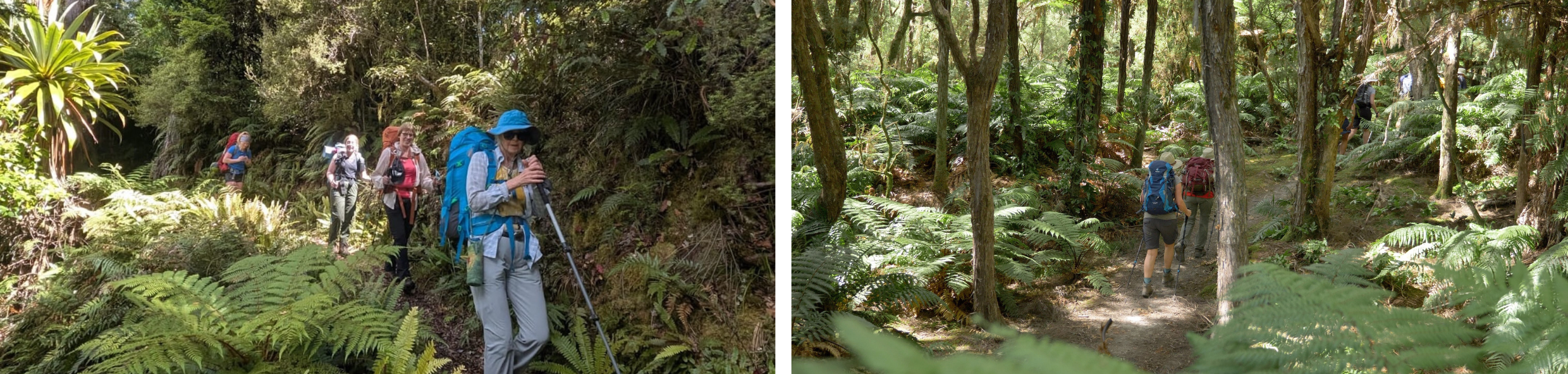
Physical barriers can also provide significant protection. Since sandflies and mosquitoes are most active at dawn and dusk, your simplest plan of action is to wear long sleeves, and pop on a pair of socks. Wearing long-sleeved shirts, long pants, and socks can reduce the amount of exposed skin, making it harder for sand flies and mosquitoes to reach you. It's also a good idea to wear light-coloured clothing, as darker colours tend to attract more insects.
Avoid Peak Insect Activity Times
Timing is also an important factor when it comes to avoiding bites. Sandflies and mosquitoes tend to be most active during certain times of the day. For sand flies, they are often most aggressive during the late afternoon and early evening, while mosquitoes tend to bite during the early morning and at dusk.
When I camp or sit outside in the evenings, I often light a citronella candle or coil which helps to keep insects away.
In Māori folklore, Tū Te Rakiwhānoa carved the fiords with his adze, Te Hamo. His masterpiece was Piopiotahi, Milford Sound. Looking back on his work, he saw it was so beautiful that anyone who saw it would want to stay forever. So he asked Hinenuitepō (the Goddess of Night) to leave behind namu, the sandflies, to make sure no one could stay still for long.
Next time a sandfly finds you on the track, take it as a sign you’re somewhere truly special.
Words by Anna, HikingNZ

 Kiwi-Style Hiking
 Great Walks
 Hiking Tours
 Alpine Hikes
 Custom Groups