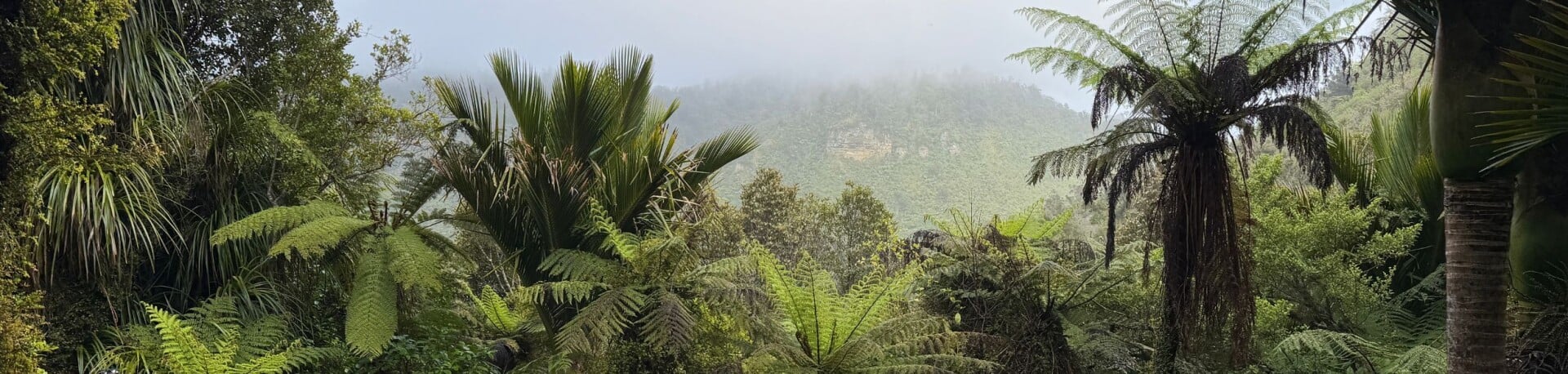
New Zealand’s coalition government is moving quickly to reshape the protection of our natural lands, and the Conservation Amendment Bill has sparked one of the most significant conservation debates in decades.
There is good news. Public pressure has already forced a meaningful backdown. But the Bill still contains provisions that concern us deeply, and submissions close on 13 July 2026.
At Hiking New Zealand, we oppose the Conservation Amendment Bill in its current form. We invite you to read on and make a submission.
First, the win
Conservation Minister Tama Potaka has announced the removal of the clause that would have opened an additional 2.8 million hectares of conservation land to potential sale. This is a direct result of tens of thousands of New Zealanders making their voices heard, including nearly 50,000 who signed a Greenpeace petition.
Forest & Bird acting chief executive Erika Toleman called it an incredible win for the people of Aotearoa. We agree. Public pressure works.
But the Bill still concerns us
Even with the land sale clause removed, the Conservation Amendment Bill proposes something that troubles us just as much.
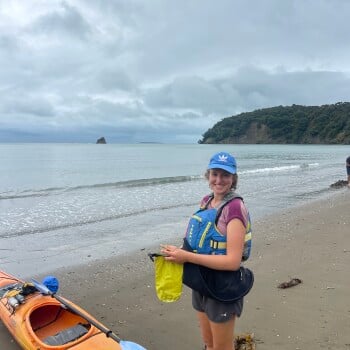
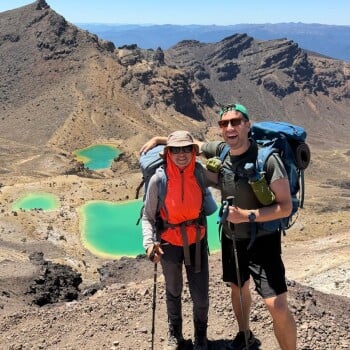
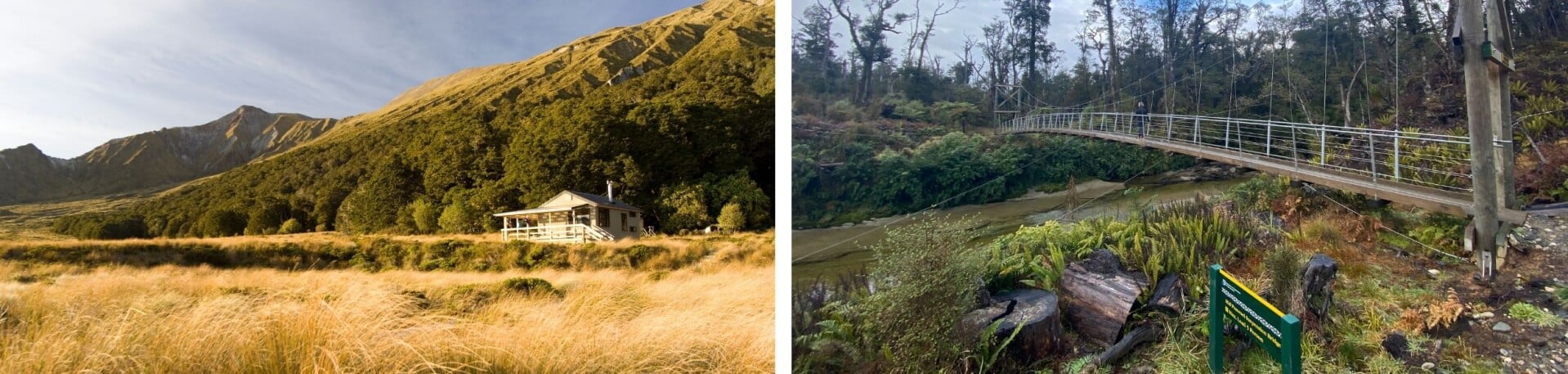
Public conservation land is where New Zealanders and visitors walk, tramp, paddle, climb, hunt, fish, camp, and reconnect with who they are. Places like Coromandel’s Cathedral Cove and Dunedin’s Tunnel Beach. These places belong to the public in a way that goes well beyond title documents.
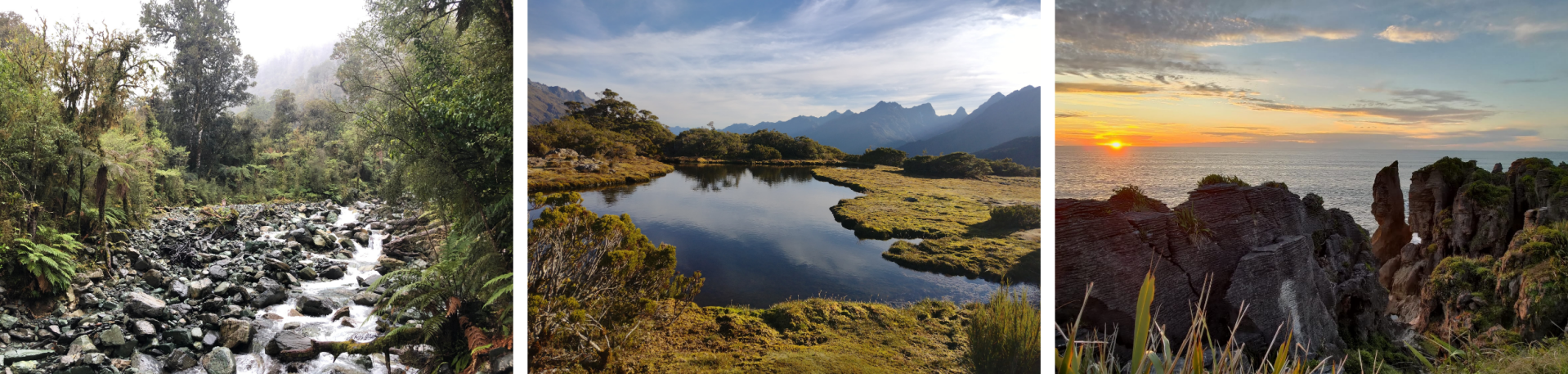
They are part of our national character.
1. The change to the core purpose of protected wilderness
It would add a new core purpose for the Department of Conservation: to put economic opportunities front and centre when making decisions about conservation land, to the “greatest extent practicable.”
As Toleman put it, if economic development is going to be recognised in DOC’s purpose, it needs to sit within a hierarchy where protection of conservation values comes first. That hierarchy is not in this Bill.
The concern is practical, not theoretical. The economic development clause still enables changes to land status, meaning conservation land could be revoked or passed out of the conservation estate without the safeguards New Zealanders expect.
2. Decision making is left to politicians not professionals
We believe public conservation land is much more than an idle asset on a Crown balance sheet.
The Bill also concentrates decision-making power among Ministers, reducing the oversight role of the New Zealand Conservation Authority and Conservation Boards, the bodies that have kept conservation decisions tied to the public interest across successive governments, regardless of which political wind was blowing.
Reform is welcome. This Bill still needs work.
No one is claiming the conservation system works perfectly. Commercial processes can be slow, costly, and frustrating. We know this first-hand: a guiding permit took us eight years to process. Genuine reform is welcome.
But reform should strengthen the system, not shift its fundamental purpose. Minister Potaka has said he is open to further changes and will work with others on the remaining provisions. We take that at face value. The select committee process is exactly where that work should happen, and public submissions are part of that process.
What you can do
Read the Conservation Amendment Bill. Decide what is important to you. If anything does not sit right with you, if you feel strongly about something that is not represented or respected in the Bill, make a submission. Your thoughts matter. Anyone can submit. You do not need to be a New Zealand citizen, resident, or voter.
Submissions close 2 July 2026.
• One-page explainer: Forest & Bird PDF
• Submit here: Parliament submission page
• Deep dive: Forest & Bird campaign page
• What’s in the news: RNZ explainer

 Kiwi-Style Hiking
 Great Walks
 Hiking Tours
 Alpine Hikes
 Custom Groups