Ko tōku reo tōku ohooho, ko tōku reo tōku māpihi maurea.
My language is my awakening, my language is the window to my soul.
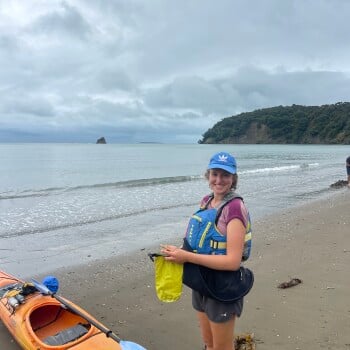
Te Reo Māori, or, the Māori language is a beautiful, expressive language, with a rich, complex and difficult history. I, Anna, am wahine Māori and like many kiwis, on my own journey of learning Te Reo Māori. When coming to Aotearoa New Zealand, learning about and even using Te Reo will greatly enrich your experience.
A brief history
Te Reo is a Polynesian language, similar to some other languages of the Pacific Islands but like all languages, it has its own nuances and dialects between iwi (tribes).
Many early European settlers, mainly whalers, sealers, missionaries and traders learned Te Reo to be able to communicate with the local people. Māori was not a written language prior to the arrival of English speakers. The first Māori dictionary was published in 1844 and written Māori became important as Europeans attempted to buy land, or introduce religious texts in the native language.
Until around the 1900s, Te Reo was the most commonly spoken language in small communities, but with pressure to speak and use English, two world wars and urbanisation, use of Te Reo Māori rapidly declined. By the 1960s, only a small percentage of the population spoke fluent Te Reo Māori.
Despite so much pressure to adopt English as the sole language of this nation, Te Reo Māori was not lost and the right to speak Te Reo was hard fought. In 1987, Te Reo Māori was recognised as an official language of this country, and is now becoming more frequently used and encouraged in schools (with a number of full integration Kura, or schools around the country), homes, news broadcasts and in everyday life. Te Reo Māori is a taonga, a treasure, and something to celebrate.
See source information here
Want to visit the world’s longest place name?
Sure! You’ll want to go to Taumatawhakatangihangakoauauotamateaturipukakapikimaungahoronukupokaiwhenuakitanatahu. Counted that? It’s 92 letters long…named for a hill near Pōrangahau, Hawke’s Bay in the North Island and translating roughly as "The summit where Tamatea, the man with the big knees, the slider, climber of mountains, the land-swallower who travelled about, played his kōauau (flute) to his loved one." For brevity, the hill is colloquially called “Taumata.”
The power of Te Ao Māori
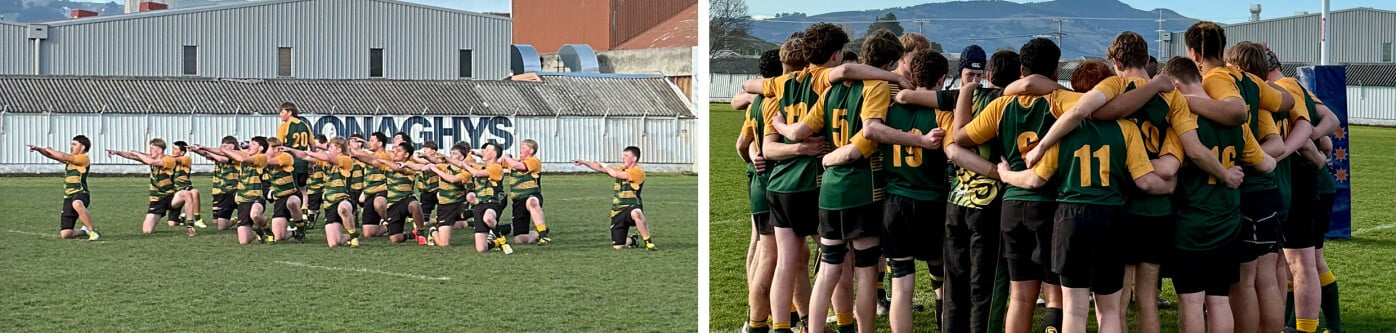
Nothing will give you goosebumps, and make your hair stand up like seeing a haka, hapahaka, or hearing a haunting waiata (song). If you’ve ever watched and All Blacks match, or even a grassroots rugby game, you’ll know that a game is started with a haka from the team, as a challenge to the opposing side. It is a signal of pride, unity and strength, and it's absolutely electric.
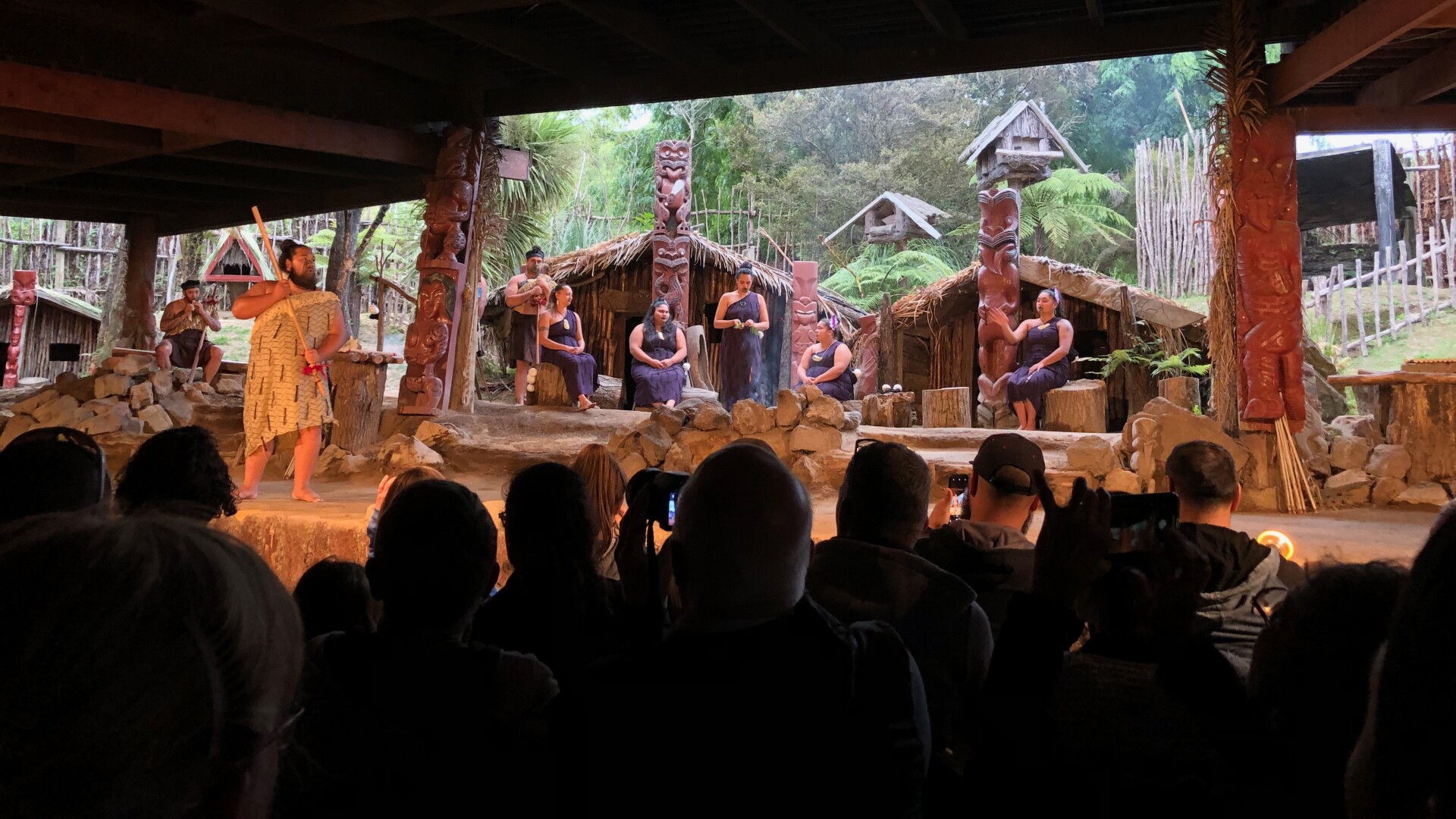
Experiencing Māori culture and language is an integral part of any experience when coming to Aotearoa New Zealand. Many of our tours include a cultural experience, but when you look around, Māori language and culture is entrenched in many parts of our society.
We celebrate Te Reo annually with Te Wiki o Te Reo Māori – Māori Language Week, where the language is celebrated and embraced, with people perhaps learning a new word, phrase, saying or song. During Te Wiki o Te Reo Māori, my children asked me, “What’s your favourite Māori word mum?” “Easy, it’s aroha”, I quickly replied, Aroha means love. My daughter thought for a moment, and said “mine’s Whanau” (family).
How do I pronounce Māori words?
Learning how to pronounce Māori words is a sign of respect. It’s okay if it takes more than one try; what counts is that you’re giving it a go. The Māori language consists of five vowel sounds:
a (‘a’ as in ‘are’)
e (‘e’ as in ‘eat’)
i (‘i’ like the ‘ee’ in ‘tree’)
o (‘o’ as in ‘four’)
u (‘u’ like an ‘o’ in ‘to’)
Vowels can be long or short. A long vowel is signified with a macron above it. For example:
a, (short vowel) papa (earth)
ā, (long vowel) pāpā (father)
There are eight consonants in Māori, similar to those in English — h, k, m, n, p, r, t, and w. There are also two different consonants; ‘wh’ and ‘ng’. The ‘wh’ sound similar to the English ‘f’. The ‘ng’ is similar to the ‘ng’ sound in English words like ‘sing’, except that in Māori, words can start with ‘ng’.
Let’s start with the basics:
- Kia ora - Hello
- Nau mai, haere mai - Welcome!
- Kei te pēhea koe? - How are you?
- Kei te pai - Good, or Tino pai - Really good
- Ka kite anō - See you later
Whakatauki, wisdom in Māori culture
Māori culture uses whakatauki, or proverbs to express wisdom, guidance and insight within Māori culture (like the one at the start of this blog). You may even recognise some of them, evidence that wisdom is universal… Here are a few of my favourites:
- Ahakoa he iti he pounamu - Although it is small it is a treasure (a saying I use of my children, but also refers to pounamu, a stone treasured in Māori culture, is often small but precious).
- He rau ringa e oti ai - many hands make light work
- He waka eke noa - we’re all in the same boat
Enrich Your Journey Through Language and Culture
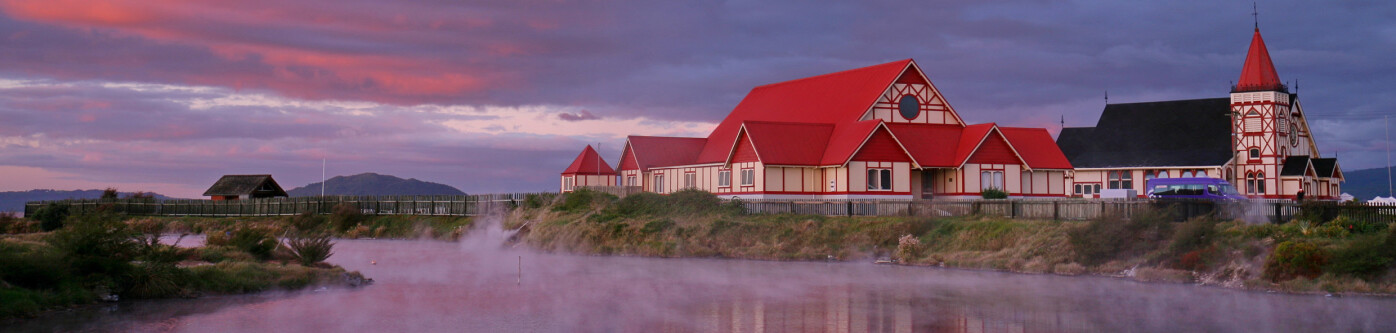
When you learn Māori words, you're doing more than speaking a new language, you’re honouring a culture, showing respect, and deepening your connection to this extraordinary place. When you come hiking with us in Aotearoa, you won't just walk the land, you'll listen to its stories, hear (and maybe speak) its language, and celebrate its people.
Ake ake ake - a forever language, Te Reo Māori
Words by Anna Morris

 Kiwi-Style Hiking
 Great Walks
 Hiking Tours
 Alpine Hikes
 Custom Groups